
Creating a home office that’s both cozy and productive can transform your work-from-home experience. Whether you’re a remote employee, freelancer, or running a business from home, your workspace plays a key role in how well you focus and enjoy your tasks. In this post, we’ll explore practical tips to help you design a home office space that nurtures comfort and maximizes productivity.
Why a Cozy Home Office Matters
A home office that feels inviting and comfortable encourages longer periods of focus without feeling drained. A cozy environment reduces stress and supports well-being, while productive design choices help you stay organized and efficient. Balancing these aspects leads to a space you enjoy spending time in.
Choose the Right Location
Consider Natural Light
Start by selecting a spot with good natural light. Sunlight helps regulate your circadian rhythms and can improve mood and alertness. If possible, position your desk near a window without causing glare on your computer screen.
Minimize Distractions
Pick an area that’s away from high-traffic zones or noisy parts of your home. A quieter spot helps maintain concentration during work hours.
Think About Space and Functionality
Choose a space with enough room for your desk, chair, and any additional items like shelves or filing cabinets. Having enough space allows you to keep your work area organized rather than cluttered.
Invest in Comfortable Furniture
Ergonomic Chair
A well-made ergonomic chair supports your posture and reduces discomfort during long working hours. Look for adjustable options that offer good lumbar support.
Functional Desk
Your desk should be sturdy and sized comfortably for your work needs. A surface with enough space for your computer, paperwork, and accessories makes your workflow smoother.
Add Extra Seating
If space allows, including a small armchair or cushioned bench can create a relaxing spot for brainstorming or taking breaks.
Use Soothing Colors and Personal Touches
Choose Calming Colors
Opt for colors that promote calmness and focus, such as soft blues, greens, or neutrals. These tones help reduce visual stress and make the space more inviting.
Decorate Thoughtfully
Include personal items like photos, artwork, or plants. They add personality and warmth without overcrowding your workspace.
Incorporate Greenery
Adding a few plants not only brightens up the room but also improves air quality and can boost your mood.
Organize for Efficiency
Storage Solutions
Use shelves, drawers, and boxes to keep office supplies neat and within reach. Organizing your materials reduces time spent searching for items and prevents distractions.
Cable Management
Tidy cables using clips, sleeves, or under-desk trays. A clutter-free desk helps maintain a clean visual space and reduces stress.
Daily Declutter Routine
Spend a few minutes each day putting things back in place. This habit keeps your workspace orderly and ready for the next day.
Optimize Lighting
Layer Lighting
Combine ambient, task, and accent lighting to avoid eye strain. A desk lamp with adjustable brightness is useful for focused work.
Avoid Glare
Position screens and lighting to reduce reflections. Use blinds or curtains to control sunlight intensity during peak hours.
Incorporate Productivity Tools
Use a Whiteboard or Corkboard
These can help with tracking tasks, brainstorming, and visual reminders.
Keep a Planner or Notebook Nearby
Jotting down ideas and to-dos helps keep your goals clear and manageable.
Establish Boundaries and Routine
Define Your Work Hours
Having clear starting and ending times separates work from home life, which is essential for mental balance.
Designate Your Workspace
Use your home office only for work-related activities to strengthen your focus when inside your space.
Take Regular Breaks
Step away from your desk for short breaks to recharge and avoid burnout.
Final Thoughts
Creating a cozy and productive home office is about combining comfort with smart design. By focusing on location, furniture, color, organization, lighting, and habits, you can enjoy a space that supports both your well-being and work goals. Start small by making one or two changes, and gradually build your ideal workspace that helps you work happily and effectively every day.
Related Posts
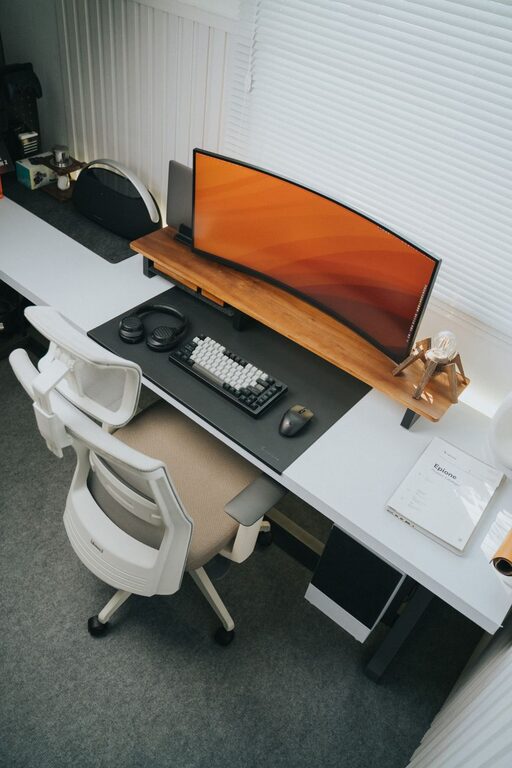
Simple Steps to Create a More Organized Workspace at Home
Creating an organized workspace at home can significantly improve your…
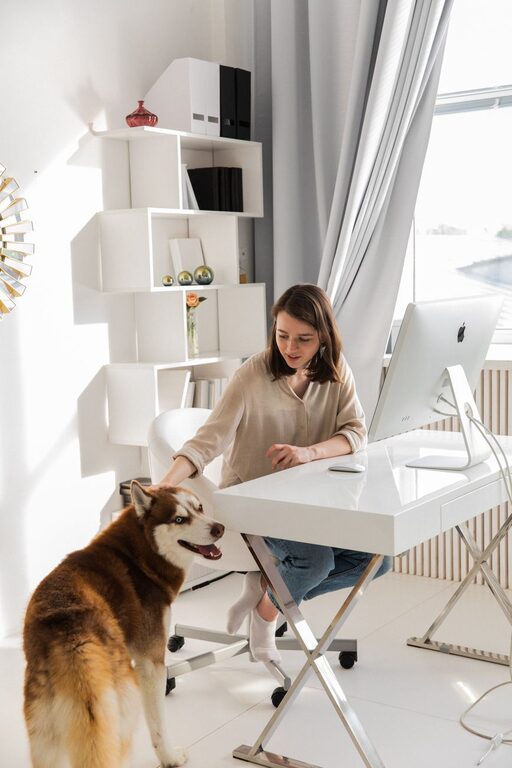
Tips for Creating a Comfortable and Productive Home Office Environment
Creating a comfortable and productive home office environment is essential…

Tips for Creating a Relaxing Home Office Space
Creating a relaxing home office space is essential for maintaining…