
Creating a relaxing home office space is essential for maintaining focus, reducing stress, and enhancing productivity. Whether you work from home full-time or need a quiet corner for occasional tasks, a well-designed workspace can make a significant difference in how you feel and perform throughout the day. Here are practical tips to help you create a calming and efficient home office environment.
Choose the Right Location
The first step in crafting a relaxing home office is selecting the ideal spot. Consider these factors:
– Natural Light: Aim for a space with plenty of natural light. Sunlight boosts mood and energy levels. Position your desk near a window if possible.
– Quietness: Find a low-traffic area where noise is minimal. If this isn’t possible, noise-cancelling headphones or a white noise machine can help.
– Privacy: Choose a spot where you won’t be easily disturbed. This is particularly important if you share your home with others.
Invest in Comfortable Furniture
Comfort is key when spending long hours at your desk. Focus on these furniture essentials:
– Ergonomic Chair: Select a chair that supports your back and encourages good posture. Adjustable features are a bonus.
– Desk Size: Use a desk that fits your work style and equipment without feeling cramped.
– Footrest: Consider adding a footrest to reduce strain on your legs and improve circulation.
Use Calming Colors
Color affects mood and concentration. For a relaxing workspace, consider:
– Soft Neutrals: Shades like beige, cream, or soft gray create a soothing backdrop.
– Cool Blues and Greens: These colors have a calming effect that can reduce anxiety.
– Avoid Bright, Overstimulating Colors: Bold reds or oranges might increase stress and distraction.
Keep Your Space Organized
Clutter can disrupt focus and increase tension. Implement these organization tips:
– Declutter Regularly: Set aside time weekly to tidy your workspace.
– Use Storage Solutions: Shelves, drawers, and organizers help keep essentials within reach but out of sight.
– Limit Items on the Desk: Keep only necessary tools and a few personal touches on your desk.
Incorporate Natural Elements
Nature has a soothing influence. Bring the outdoors inside with these ideas:
– Plants: A small potted plant or succulent adds greenery and improves air quality.
– Natural Materials: Use wood, stone, or woven textures for furniture or decor to create a comforting atmosphere.
– Views of Nature: If possible, position your workspace to overlook a garden or natural scenery.
Personalize Your Workspace
Adding personal touches can make your space feel more inviting and less sterile:
– Photos or Art: Display images or artwork that make you happy or inspire creativity.
– Decorative Items: Choose a few meaningful or calming items like candles or crystals, but avoid clutter.
Manage Lighting Wisely
Good lighting reduces eye strain and sets the mood:
– Layered Lighting: Combine natural light with ambient and task lighting. Adjustable desk lamps help focus light exactly where needed.
– Warm Light Bulbs: Use bulbs that emit warm tones for a softer, relaxing environment.
– Control Glare: Position screens and lights to minimize glare.
Incorporate Relaxation Techniques
Add elements that encourage breaks and mindfulness:
– Comfortable Seating for Breaks: Include a cozy chair or cushion for stretching or meditation.
– Aromatherapy: Use essential oils or diffusers with calming scents like lavender or eucalyptus.
– Sound: Play gentle background music or nature sounds to create a peaceful atmosphere.
Use Technology Thoughtfully
Technology can either help or hinder relaxation:
– Cable Management: Keep cords organized to avoid visual clutter.
– Apps for Focus: Utilize apps that promote concentration or remind you to take breaks.
– Limit Distractions: Turn off non-essential notifications during work hours.
Maintain Good Air Quality
Fresh air can improve cognitive function and comfort:
– Ventilation: Open windows regularly to circulate fresh air.
– Air Purifiers: Consider a small office air purifier to reduce dust and allergens.
– Humidity: Maintain a comfortable humidity level with a humidifier or houseplants.
Set Boundaries
Work-life balance is vital for reducing stress:
– Defined Work Hours: Stick to regular work times to avoid burnout.
– Clear Workspace Limits: Keep work materials confined to your office area.
– Signal Availability: Use visual cues like a closed door or “do not disturb” signs to minimize interruptions.
—
Creating a relaxing home office space is about striking a balance between comfort, functionality, and personal style. With intentional choices in location, furniture, organization, and ambiance, you can foster an environment that supports your well-being and productivity. Take time to assess your needs and gradually implement these tips to build a workspace you look forward to spending time in every day.
Related Posts
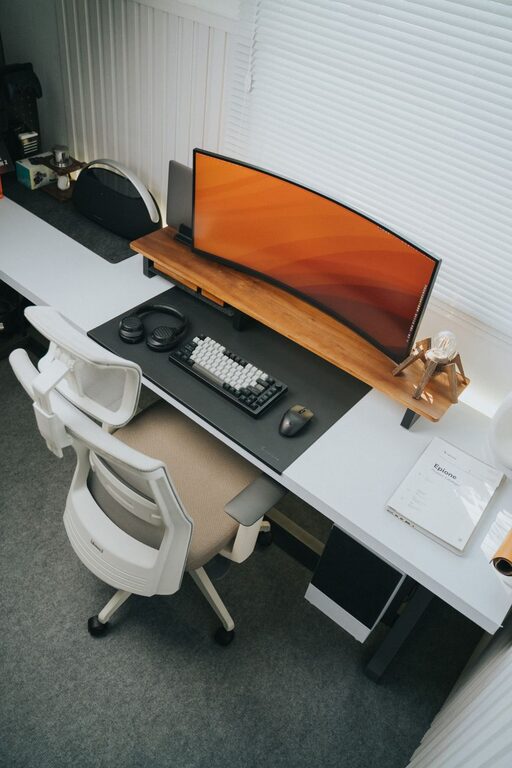
Simple Steps to Create a More Organized Workspace at Home
Creating an organized workspace at home can significantly improve your…
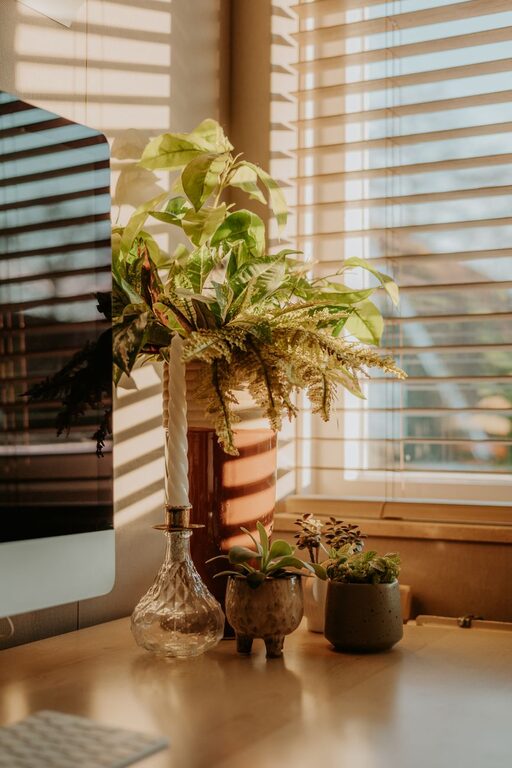
Tips for Creating a Cozy and Productive Home Office Space
Creating a home office that’s both cozy and productive can…
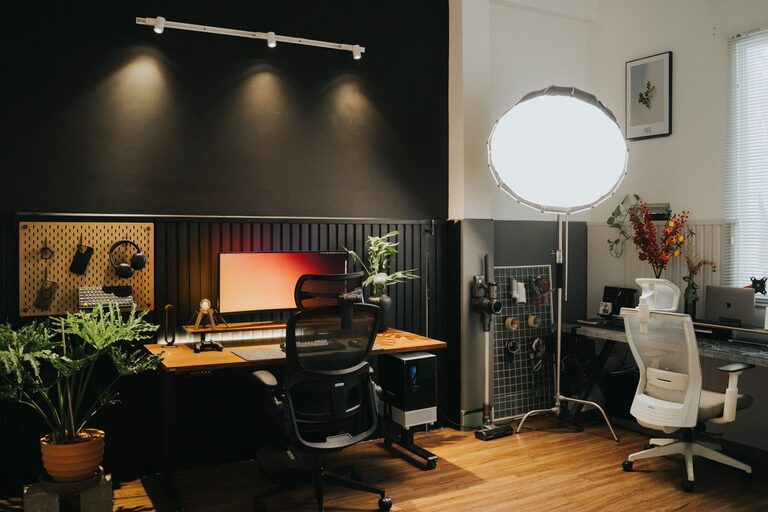
Tips for Creating a Cozy and Inviting Home Office Space
Creating a cozy and inviting home office space is an…