
Creating a relaxing home workspace is essential for maintaining productivity and wellbeing while working remotely. When your workspace feels calm and comfortable, it becomes easier to focus, reduce stress, and enjoy your workday. Whether you have a dedicated room or just a small corner, there are many ways to design a workspace that promotes relaxation and efficiency.
Why a Relaxing Workspace Matters
A busy or cluttered workspace can increase distractions and stress, leading to lower productivity and decreased job satisfaction. On the other hand, a well-organized, calming environment can help you stay focused and motivated, making work feel less overwhelming.
Investing time and effort into creating a pleasant workspace can improve your mental clarity, creativity, and overall happiness.
Tips for Designing a Relaxing Home Workspace
1. Choose the Right Location
Select a space in your home that is quiet and has enough natural light. Natural light helps regulate your body’s internal clock and boosts mood, making you feel more alert during work hours.
If natural light isn’t available, consider full-spectrum light bulbs that simulate daylight to reduce eye strain.
2. Declutter and Organize
A clutter-free desk and workspace help reduce distractions. Use storage solutions like shelves, drawers, and organizers to keep your supplies tidy and out of sight when not in use.
Set up a routine to regularly declutter your workspace to maintain a clear and calm environment.
3. Invest in Comfortable Furniture
Since you may spend several hours at your workstation, choose a comfortable chair that supports good posture. An adjustable chair with lumbar support can help prevent back pain.
Your desk should be at a height that allows you to work without strain. Ergonomic accessories like keyboard trays or monitor stands can further improve comfort.
4. Personalize Your Space
Adding personal touches can make your workspace feel inviting and relaxing. Plants, artwork, or photos can boost your mood, but avoid overcrowding the area.
Choose calming colors like soft greens, blues, or neutrals to decorate. These hues are known to create a soothing atmosphere.
5. Control Noise Levels
If you live in a noisy environment, try using noise-cancelling headphones or playing gentle background music or white noise to maintain focus.
Alternatively, a quiet space away from household activity or street noise will help minimize distractions.
6. Ensure Proper Lighting
Besides natural light, position your desk near windows if possible. Use adjustable desk lamps with warm light for task lighting, especially for late hours.
Avoid harsh overhead lights that cause glare or eye strain.
7. Incorporate Break Zones
If space allows, create a small area separate from your main desk for breaks. A comfy chair or cushion can encourage you to step away and stretch, which is important for mental and physical health.
Even a simple corner with a good view or some greenery can provide a refreshing change of scenery.
8. Organize Cables and Technology
Tangled cables create visual clutter and can be frustrating. Use cable management solutions like clips, sleeves, or boxes to keep cords neat and out of the way.
Keep your tech essentials within easy reach but avoid overcrowding your desk with too many devices.
9. Use Scent and Air Quality
A subtle, pleasant scent, like lavender or eucalyptus, can promote relaxation and reduce anxiety. Consider using an essential oil diffuser or scented candle, but avoid overpowering fragrances.
Good air circulation and clean air help maintain focus. Open a window occasionally or use an air purifier if needed.
10. Establish a Routine and Boundaries
Even the most relaxing workspace can’t work without healthy habits. Set clear working hours and take regular breaks to stretch and rest your eyes.
Communicate your work schedule with others at home to minimize interruptions and respect your focused time.
—
Final Thoughts
Creating a relaxing home workspace is about balancing comfort, organization, and personal preferences. Small changes like adding a plant or tidying up your desk can make a big difference in how you feel throughout your day.
By incorporating these tips, you can design a workspace that not only enhances productivity but also supports your mental wellbeing. Remember, your home workspace should be a place you enjoy spending time in—calm, inviting, and conducive to doing your best work.
Related Posts

Tips for Creating a Cozy and Productive Home Office Space
Creating a home office that’s both cozy and productive can…
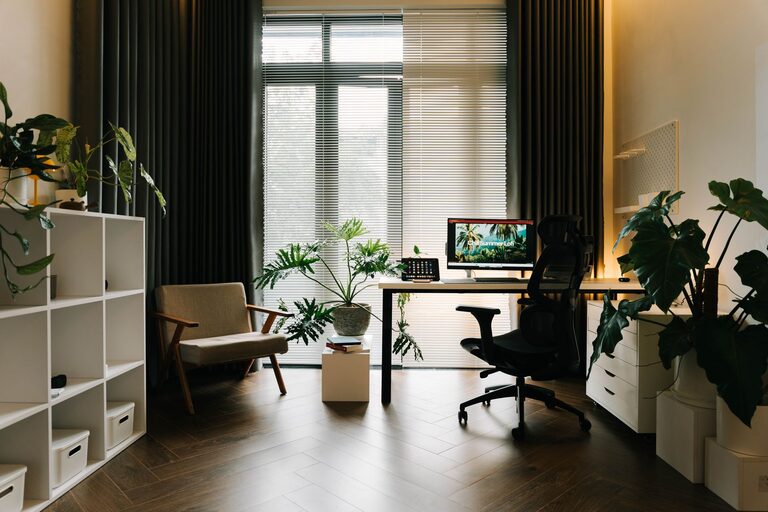
Tips for Creating a Relaxing Home Workspace to Boost Productivity
Creating a relaxing home workspace is essential for maintaining productivity,…
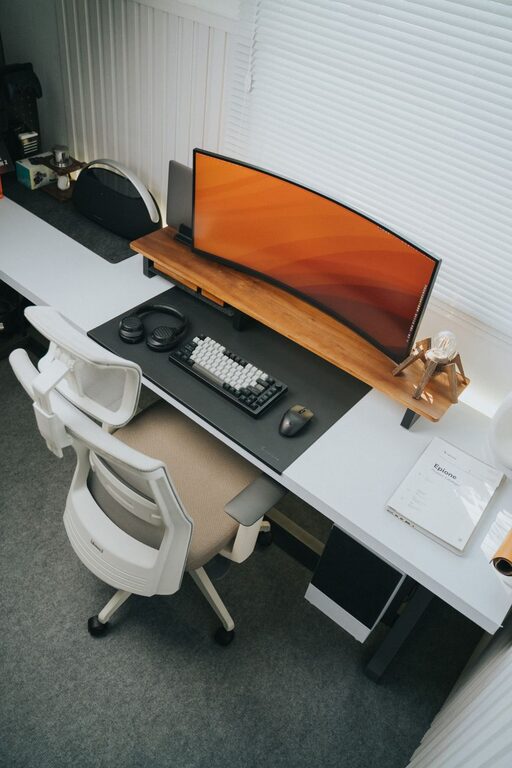
Simple Steps to Create a More Organized Workspace at Home
Creating an organized workspace at home can significantly improve your…