
Creating a comfortable and productive home office environment is essential for anyone working remotely or spending significant time on work-related tasks at home. A well-designed workspace can enhance focus, reduce stress, and improve overall work quality. If you’re looking to upgrade your home office setup, these tips will help you create a space that fuels both comfort and productivity.
Choose the Right Location
Selecting the best spot for your home office sets the foundation for your work environment.
Find a Quiet, Low-Traffic Area
Choose a space away from household noise and distractions like the kitchen or living room. This helps maintain focus and minimizes interruptions.
Consider Natural Light
If possible, position your desk near a window. Natural light improves mood and reduces eye strain. Use sheer curtains to diffuse direct sunlight when needed.
Invest in Ergonomic Furniture
Comfortable furniture supports good posture and prevents discomfort during long working hours.
Select a Supportive Chair
Look for an adjustable chair with lumbar support, cushioned seating, and armrests. Proper back support reduces the risk of muscle strain and back pain.
Use a Suitable Desk
Choose a desk with enough surface area for your computer, accessories, and workspace essentials. A height that allows your arms to rest comfortably while typing is ideal. Consider an adjustable sit-stand desk if you want to switch between sitting and standing.
Optimize Your Workspace Layout
An organized and functional layout promotes efficiency.
Arrange Essential Items Within Reach
Keep frequently used items, like your phone, notebook, or printer, close at hand. This reduces unnecessary movement and distractions.
Minimize Clutter
Use storage solutions such as drawers, shelves, and organizers to keep the workspace tidy. A clean desk helps clear your mind and focus on tasks.
Manage Cables Neatly
Use cable clips or sleeves to keep wires organized and out of sight. This prevents tangles and creates a visually appealing space.
Focus on Lighting
Good lighting is crucial for reducing eye strain and maintaining alertness.
Combine Natural and Artificial Lighting
Natural light is best during the day, but supplement it with quality task lighting. A desk lamp with adjustable brightness lets you customize light levels as needed.
Avoid Glare and Reflections
Position your screen to avoid glare from windows or lights. Matte screen protectors can also help reduce reflections.
Personalize Your Space
Adding personal touches makes your office feel inviting and motivating.
Add Plants
Indoor plants improve air quality and add a calming, natural element to your workspace.
Include Inspiring Artwork
Pictures, quotes, or decorations that you enjoy can boost creativity and keep you motivated throughout the day.
Use Comfortable Accessories
Consider a cozy rug or cushions to make the environment warmer and more inviting.
Establish Clear Boundaries
Separating work from personal life is key in a home office setting.
Set Defined Work Hours
Stick to regular working times to maintain a routine and avoid burnout.
Communicate Boundaries
Let household members know when you need uninterrupted work time.
Create a Shutdown Ritual
At the end of the day, close your laptop and tidy your workspace to signal the end of work hours.
Pay Attention to Technology
Reliable technology tools help maintain efficiency.
Use a Fast Internet Connection
Ensure your internet speed supports video calls and data-heavy tasks without lag.
Invest in Quality Equipment
A good headset, webcam, and keyboard can make work smoother and more comfortable.
Keep Software Updated
Regularly update your operating system and applications for security and performance.
Prioritize Health and Wellness
Your well-being directly affects your productivity.
Take Regular Breaks
Use the Pomodoro technique or set timers to remind yourself to stand, stretch, and rest your eyes every hour.
Stay Hydrated and Nourished
Keep water nearby and enjoy nutritious snacks to maintain energy levels.
Incorporate Movement
Consider short walks, desk exercises, or stretching routines to reduce stiffness and boost circulation.
Maintain Good Air Quality
Fresh air and proper ventilation improve concentration.
Open Windows
If weather permits, open windows to let fresh air circulate.
Use Air Purifiers
An air purifier can help remove dust and allergens for a healthier environment.
—
Creating a comfortable and productive home office doesn’t mean you need to completely redesign your space. Small, intentional changes can make a significant difference in your daily work experience. By focusing on location, comfort, lighting, organization, and wellness, you can develop a workspace that supports your best work and well-being. Start with one or two tips and build your ideal home office step by step.
Related Posts
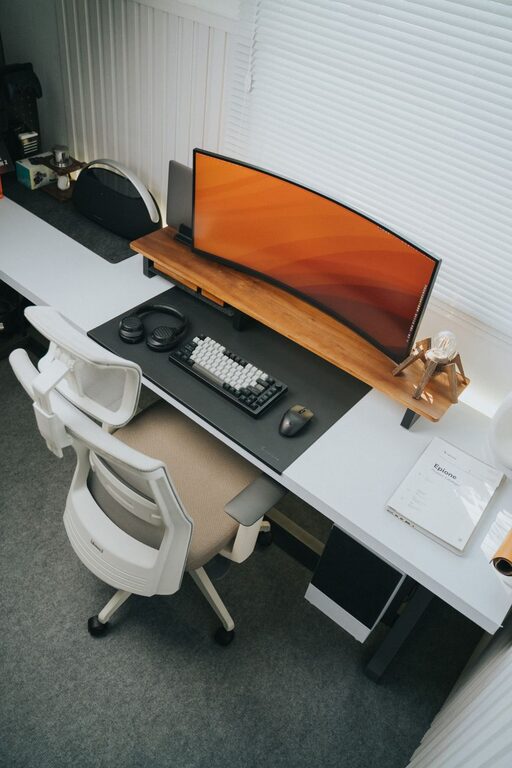
Simple Steps to Create a More Organized Workspace at Home
Creating an organized workspace at home can significantly improve your…
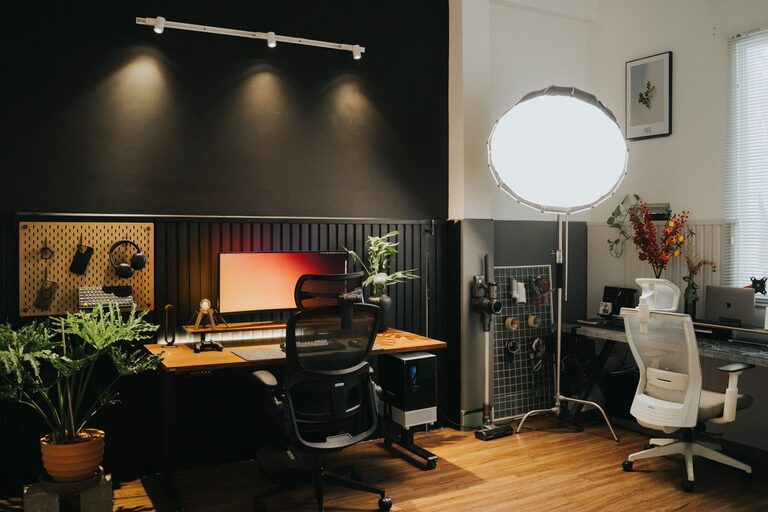
Tips for Creating a Cozy and Inviting Home Office Space
Creating a cozy and inviting home office space is an…

Tips for Creating a Relaxing Home Office Space
Creating a relaxing home office space is essential for maintaining…