
Creating a relaxing home workspace is essential for maintaining productivity, especially if you spend a significant amount of time working remotely. When your workspace feels calm and comfortable, it’s easier to focus, reduce stress, and stay motivated throughout the day. Whether you have a dedicated room or a small corner for work, these tips can help you design an environment that promotes relaxation and efficiency.
Why a Relaxing Workspace Matters
Before diving into design ideas, it’s important to understand why a relaxing workspace can make such a difference. A cluttered or uncomfortable workspace can increase stress and decrease your ability to concentrate. On the other hand, a well-organized and soothing space can improve your mood, boost creativity, and help you maintain a steady workflow.
Choose the Right Location
Find a Quiet Spot
Select a part of your home that is quiet and away from distractions like the TV, loud conversations, or heavy foot traffic. Even a small nook near a window can work if you can minimize noise.
Optimize Natural Light
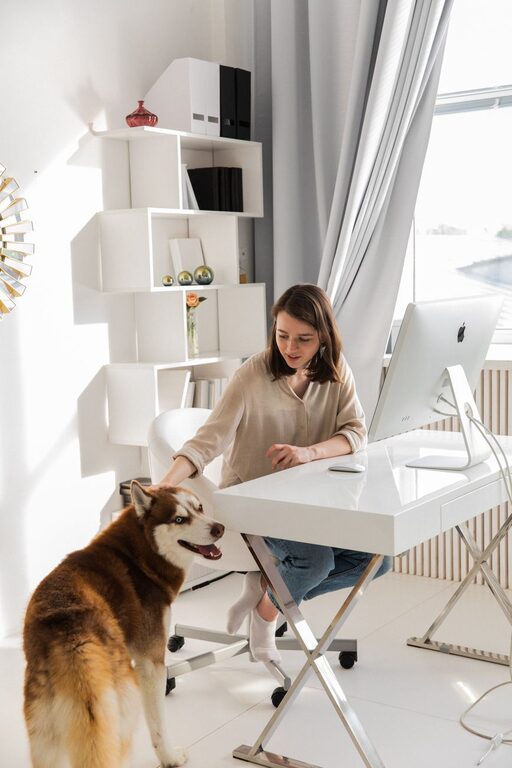
Natural light has a positive impact on mood and alertness. Position your desk near a window to take advantage of daylight. If natural light is limited, choose soft, warm lighting options that reduce eye strain.
Invest in Comfortable Furniture
Ergonomic Chair
Your chair should support your posture, especially if you’re sitting for long hours. Look for adjustable height and lumbar support to keep your back comfortable.
Supportive Desk
A desk at the right height lets you work without slouching or straining your arms. Consider a standing desk or a desk converter if you like to alternate between sitting and standing.
Declutter and Organize
Keep Only Essentials
Limit your workspace to items you use daily. Excess clutter can distract and create a feeling of chaos.
Use Storage Solutions
Drawer organizers, shelves, and storage boxes help keep supplies in order. Label containers to find things quickly without stress.
Cable Management
Tame messy cords with clips, sleeves, or under-desk trays. A tidy workspace helps keep your mind clear.
Add Personal Touches
Calming Colors
Soft colors like blues, greens, or neutrals can create a peaceful atmosphere. Avoid overly bright or harsh tones that might cause distraction.
Plants
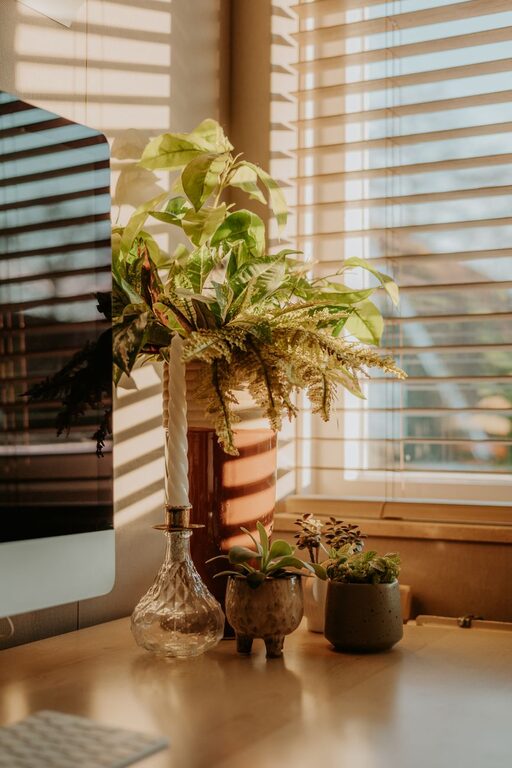
Adding greenery helps purify the air and brings a bit of nature indoors. Low-maintenance plants like succulents or spider plants are ideal for busy schedules.
Artwork and Photos
Incorporate meaningful but non-distracting decor that makes the space feel welcoming.
Manage Noise Levels
Use Headphones or White Noise
If you can’t control ambient noise, consider noise-canceling headphones or a white noise machine. These tools can help block distractions.
Soundproofing Options
Adding rugs, curtains, or acoustic panels can dampen noise in your home office area.
Maintain Good Air Quality
Fresh Air
If possible, open windows regularly to circulate fresh air.
Air Purifiers
Consider a small air purifier to reduce allergens and dust, especially if you’re sensitive.
Establish a Routine and Boundaries
Set Work Hours
Define when your workday starts and ends to create a natural rhythm.
Take Breaks
Schedule short breaks to stretch or relax your eyes. A comfortable workspace is important, but moving regularly helps maintain productivity.
Communicate Boundaries
If you share your home, let others know your work schedule to minimize interruptions.
Use Technology Wisely
Efficient Tools
Choose reliable technology and software that support your tasks without causing frustration.
Limit Notifications
Turn off non-essential notifications during work hours to stay focused.
Keep It Simple and Flexible
Your workspace doesn’t need to be perfect or overly elaborate. Focus on creating a comfortable and functional area that suits your working style. As your needs change, adjust your setup so it continues to support your productivity and well-being.
—
By following these tips, you can create a home workspace that feels relaxing and helps you stay productive. A well-designed environment makes a big difference in enjoying your work and getting the most out of each day.
Related Posts

Tips for Creating a Relaxing Home Office Space
Creating a relaxing home office space is essential for maintaining…
Tips for Creating a Comfortable and Productive Home Office Environment
Creating a comfortable and productive home office environment is essential…
Tips for Creating a Cozy and Productive Home Office Space
Creating a home office that’s both cozy and productive can…